

EV Maintenance Checklist For Different Seasons

Electric vehicles are still unfamiliar to many drivers, meaning electric car maintenance could be a bit of a question mark. Are you considering all-electric ownership but feeling unsure about EV maintenance? Do seasonal temperature changes have you wondering about electric car range in cold weather or how quickly electric cars in hot weather can recharge? This guide is for you!
Let's explore the most critical electric cars information, including how to prep your EV for winter and summer, so you can feel confident in your EV maintenance choices.
Common Electric Car Maintenance Questions
Your time is just as valuable as your money, so let's dive into this electric car maintenance guide with a helpful Q&A. The Jones Ford Verde Valley team compiled this list of the most commonly asked EV maintenance questions and answers to help you better understand these environmentally friendly vehicles.

Does Cold Weather Affect Electric Cars?
Yes, cold weather can affect electric vehicles, but if you're wondering, "Do electric cars work in cold weather?" the answer is a resounding yes. You may lose a small amount of battery life or electric car range in winter, but this loss is only because the chemical reactions inside the battery can slow down when the battery is cold. However, these range or battery life losses are usually temporary and don't cause long-term damage.
How Does Hot Weather Affect EV Range?
Hot weather is a bit trickier because extended exposure to extremely warm temperatures can degrade an EV battery over time or cause significant range loss. Most drivers won't need to keep their electric vehicles in such hot climates for multiple months, though, and taking a road trip in the summer poses no risk to your electric battery's health. In fact, studies show that electric models lose only 2-5% of their driving range in hot weather below 90 degrees Fahrenheit.1
What Is an Ideal EV Battery Temperature Range?
EV batteries are sealed in protective casings that help shield them from extreme temperatures. That said, studies have shown that lithium-ion EV batteries are safest to use between 32 and 140 degrees Fahrenheit.2 Long-term exposure to temperatures below freezing can lead to lithium plating, which is a metallic buildup inside the battery. Hot weather above 95 degrees Fahrenheit can cause up to a 15% range loss.3
Seasonal Electric Car Maintenance: Prepare Your EV for Winter & Summer
What's the best way to protect EV cars in cold weather or hot summer temperatures? The answer is surprisingly similar to how you would care for your gas-powered model! To keep top electric models like the Mustang Mach-E SUV in optimal shape no matter the season, here are two quick EV checklists that show you how to protect your electric car in winter weather or summer heat:
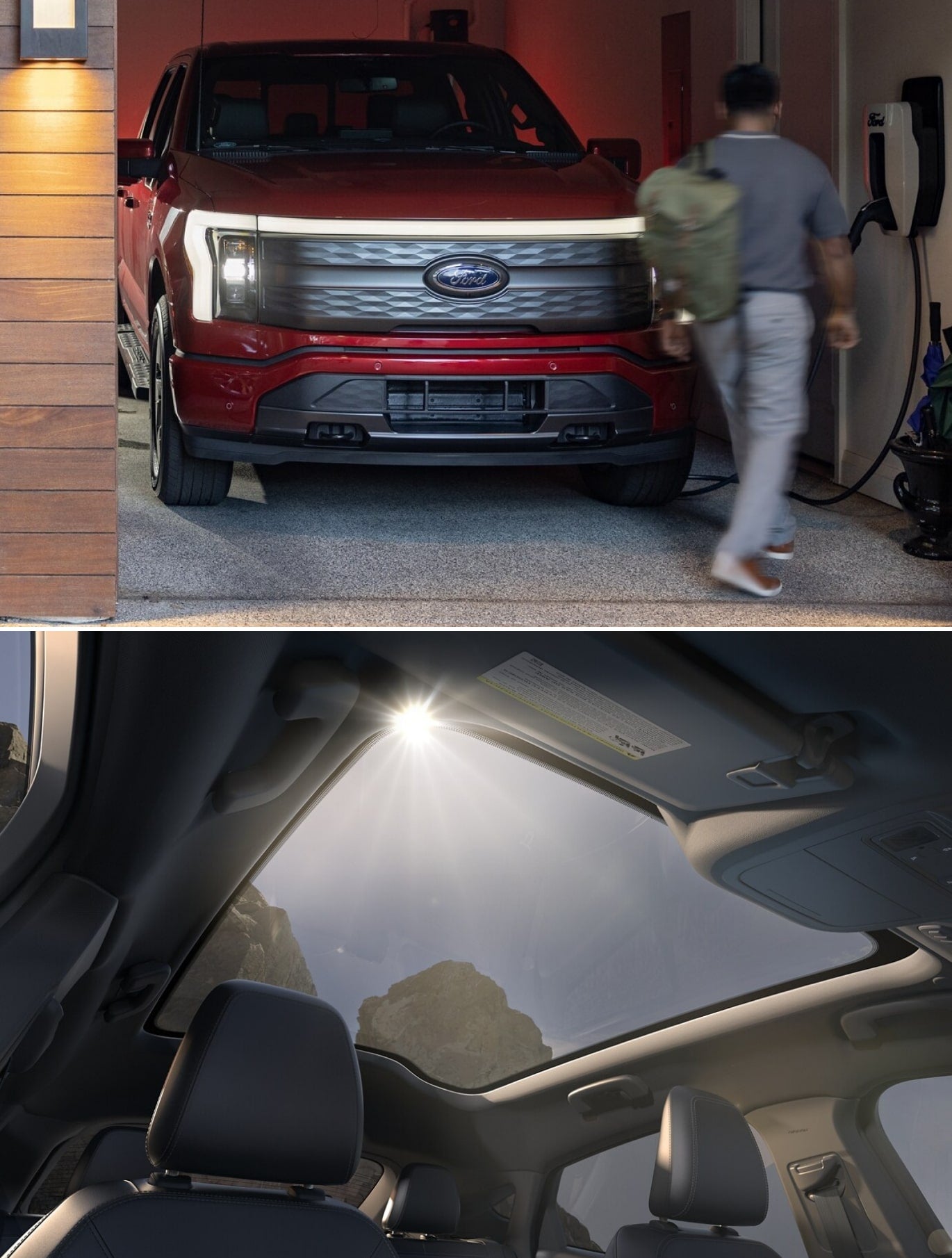
How to Protect Electric Cars in the Winter
- Opt for covered or garage parking when possible
- Warm up your EV before hitting the road
- Shield your home charging station from the cold with a connector cover or bag
- Always maintain a well-charged battery
- Consider a cold weather EV charging percentage of 80 to 100%
How to Protect Electric Cars in the Summer
- Park your EV in the shade whenever possible
- Use thermal insulation or a windshield cover to keep the cabin cool
- Plug in and charge during cooler morning or evening hours
- Charge your battery only to 80% and limit fast-charging to reduce battery stress
- Check tire pressure to make sure tires are properly inflated
- Use your EV's ECO, battery saver, or hill-hold modes when possible
Keep in mind that all new Ford vehicles with electric powertrains come with an eight-year or 100,000-mile warranty.4 Not only will your EV be protected from changing seasons thanks to your proactive care, but you can also rely on your EV warranty to cover defects in factory workmanship or materials.
The Basics of Electric Car Maintenance
Routine Electric car maintenance is far simpler than caring for an internal combustion engine because an electric motor uses far fewer moving parts. EV motors do not require oil, and electric batteries discharge at a slower rate than lead-acid batteries when not in use. That said, electric models are complex machines that do require some level of care to keep them healthy and high-performing.
On top of our helpful seasonal checklists above, here's an electric car maintenance guide you can follow to help keep your EV in top shape year-round.
- Avoid Extreme Temperatures: Many automakers put their EVs through rigorous weather testing, but large swings in temperature or prolonged exposure to extremely hot or cold weather can reduce your vehicle's range or shorten its battery life.
- Mix Up Your Charger Use: We all love a fast recharge, but exclusively using public DC fast-chargers isn't the best idea. Instead, use a combination of home charging and public fast-chargers to preserve your EV battery.
- Watch Your Tire Tread: Electric cars, trucks, and SUVs tend to be heavier than their gas-powered counterparts, meaning their tires may wear out faster. Just like you would with any model, keep a close eye on your EV's tire tread and rotate or replace tires as necessary.
- Observe the 10/80 Rule: Electric batteries can enjoy a longer life when you keep their charge between 10% and 80% the majority of the time. Regularly charging to the full 100% can lead to degradation, so stick to 80% charge for daily use.
- Check Fluids & Filters: EVs need regular coolant, wiper fluid, and wiper blade changes. We also recommend checking your EV's hoses and cooling system at six-month intervals.
- Don't Neglect Your Brakes: Electric vehicles create less wear and tear on their brakes and brake pads thanks to regenerative braking, but it's still important to keep an eye on your braking system's health. Flush and replace brake fluid at manufacturer-recommended intervals or at least every three years.
Frequently Asked Questions
Are electric cars good in snow?
Yes, electric cars, trucks, and SUVs can perform very well in snow because many come with standard all-wheel-drive systems that improve traction and control on slippery roads. Fit your electric model with winter tires, keep your battery charged, and follow our "EV Cars in Cold Weather" checklist above, and your EV will be ready for snowy winter days.
At what temperature does an EV battery degrade?
Lithium-ion EV batteries can begin to degrade in performance at temperatures below freezing or above 95 degrees Fahrenheit.2,3 Electric vehicle battery performance is optimal at temperatures between 50 to 86 degrees Fahrenheit,5 but expert studies show that these batteries can also handle climates between 32 and 140 degrees Fahrenheit2 as long as they are properly protected, cared for, and maintained.
Do EV batteries drain faster in cold weather?
EV batteries actually drain fastest in extremely hot temperatures. Cold weather can cause your electric model to lose a small amount of battery life or range, but this loss is only temporary. It is caused by a slowing down of chemical reactions inside the battery when temperatures dip. Scorching weather leads to most models losing 2-5% of their driving range below 90 degrees Fahrenheit.1
1Reference to this third-party review/claim is solely for informational purposes and not to be relied upon. For more details, please visit https://www.recurrentauto.com/research/what-a-c-does-to-your-range#:~:text=How%20much%20does%20hot%20summer,range%20in%20very%20hot%20weather.
2Reference to this third-party review/claim is solely for informational purposes and not to be relied upon. For more details, please visit https://www.scientificamerican.com/article/electric-vehicles-arent-ready-for-extreme-heat-and-cold-heres-how-to-fix-them/#:~:text=%E2%80%9CExtreme%20cold%20introduces%20safety%20risks,Automobile%20Association%20found%20in%202019
3Reference to this third-party review/claim is solely for informational purposes and not to be relied upon. For more details, please visit https://www.chase.com/personal/auto/education/maintenance/how-does-hot-weather-affect-ev-range#:~:text=4%20minute%20read,can%20you%20minimize%20the%20impact
4Warranties listed on this web page shall not be solely relied upon. Warranties may be subject to specific terms, restrictions, exclusions, and fees. Additional warranty information may be obtained by visiting the official website of the warranty provider. Contact our dealership for complete details.
5Reference to this third-party review/claim is solely for informational purposes and not to be relied upon. For more details, please visit https://www.caranddriver.com/features/a31875141/electric-car-battery-life/#safety-and-maintenance-of-your-ev